
Journal
Exquisite Handmade Cups Vs Factory-produced: The Real difference?

Introduction
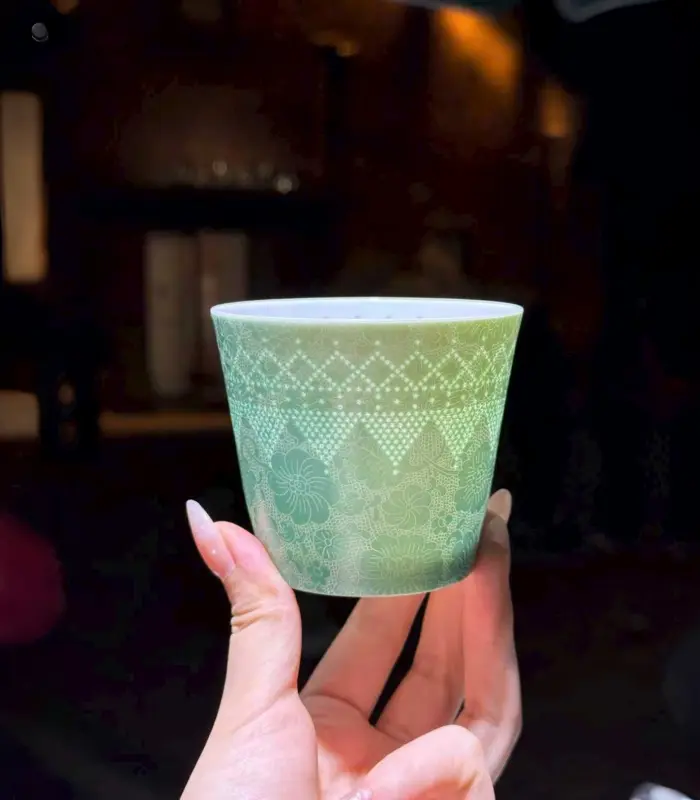
As most of us reach for a ceramic cup every day without even thinking about it, why would two cups that seem to be so similar look so different in the shop… and cost so much less when you pick them up?
The question may seem familiar to most of us at one point or another, how do we justify what's on our kitchen counter? If you're like me, it can feel so natural, like a part of what you're expected to own in order to fill your everyday kitchen needs. So, naturally enough, at some point in our lives, one has wondered, as they compare the value.
Why Are Handmade Cups So Much More Than Machine Made Cups?
There is no catch or silly answer to the question that may pop up in your head – as it turns out you’re actually not comparing the same thing! Handmade ceramic cups offer distinct advantages over machine made ones and this difference lies in the how they are created, their aesthetic and physical properties, and the value attributed to each.
Here is how these differences come into play, making handmade a far cry more expensive, but perhaps still far more worthwhile depending on your priorities.
1. Handmade Creation Versus Factory Processes
If you thought a “human hand behind” was merely a romanticized ideal in the description of a ceramic cup you could be mistaken. The primary differences in creating both these items come down to not just the process, that’s for sure but the simple fact that one is “handmade” while the other isn't.
Factory mass production:
→Produced in an assembly line which entails mass production that means that each creation is formed and shaped using molds. This creates a standardized process that allows manufacturers to churn out copies quickly and efficiently in a high-volume production line.
→The result? A hundred (or a thousand or more) pieces that all look identical.
→This high-speed production makes it relatively cheap to create and each cup appears just the same. Though this process creates perfection in a uniformity, it does so at the expense of originality and personality.
Handmade cups:
- Shaped lovingly by the experienced touch of a skilled artisan, each on a potter's wheel or built by hand (this includes other handmade techniques besides wheel throwing).
- These handmade cups are fired in very small batches- a very labor-intensive process to create something unique.
- The subtle “flaws” that arise through human touch (like slight inconsistencies in shape, glaze application and color tone) lend the cup its own unique character and personality.
With these handmade cups, you’re holding something that was touched by a human being multiple times during the crafting process – literally all the steps from centring clay and pulling walls to finishing the base and glazing the outside. As you might imagine, no two handmade cups are precisely the same. This natural, individual difference isn’t a flaw, it’s what makes handmade unique.

2. Texture and Aesthetics
Hold a factory-made cup in one hand and then lift a handmade cup and the difference is obvious-you feel it even before you begin to articulate the reason why.
Handmade cups often feature:
- A surface that's more natural and imperfect, unlike the smooth, flawless exterior you’ll find on a machine-made vessel.
- Glazes that feel richer, show more depth of tone and character and reflect more light beautifully on the surface.
- A sense of a "hand feel" – in this case, an object that has both warmth and a more substantial weight and presence within your grip.
Machine-made cups are perfect, shiny and uniform – all good qualities in some contexts. But handmade cups possesses the certain organic warmth that’s impossible to replicate - where the lines might gently undulate where they're not perfectly vertical, and the glazes pool and break over the surfaces in an ever-changing landscape of color and light.
It’s the subtle quirks that give a piece its soul; those little imperfections that give it its life and individuality, and the same feel as something that feels real and organic to the touch and the eyes.
3. Handmade, Not Just Marked Up
Don't mistake the higher price tag of a handmade cup as simply the price tag getting inflated – there is a good reason for it!
- A kiln can destroy even the best of work. High firing is risky and results in much heartbreak – it is, after all, a process where unpredictable things can happen. Many, even beautiful and perfectly sculpted creations, break, crack, pit, or bloom in the kiln process; and unfortunately, only a fraction may make the journey to successful creation. Those survivors carry the cost of the others that failed to reach their potential.
- Years of training, a lifetime of practicing an art – skills like those take a long time to learn and hone and can’t be developed or acquired quickly.
- Volume limits - handmade cups are not created in quantities comparable to machine made items - therefore the costs and time invested in making those quantities of goods isn't recouped across millions of products.
- And even after hours of work on a piece, what looks like a simple lump of clay, if not firing at the correct temperatures, may not even withstand the weight of the glaze, nor produce the vibrant, colorful hues and rich finish that ceramic offers.
In short, there is an argument that can be made that a factory made cup is to be purchased like one product amongst countless other; while a handmade piece is akin to buying a singular, distinct work of art. With a handmade cup, the price tag reflects the labor, craftsmanship, and artistic individuality of the piece and of course, there will be nothing out there quite like yours.
How Can I Tell a Handmade Ceramic Cup?
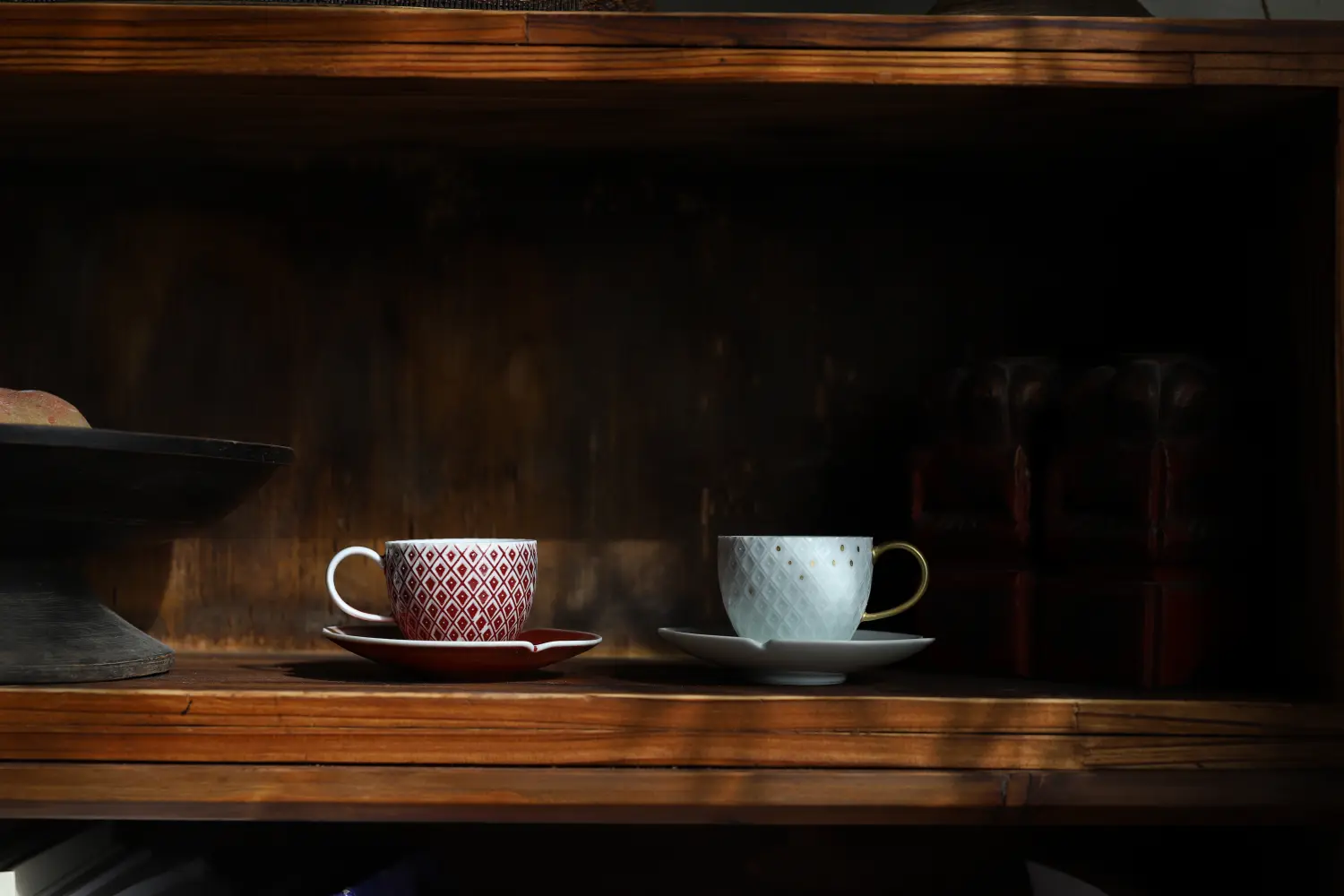
Being on the market today you probably realize that “handmade” means different things to different manufacturers. To determine if your ceramic handmade cups are truly the result of individual craftsmanship on one or many aspects, you might look for…
- A perfectly round brim is generally made by a machine whereas a human can imperfectly form one.
- Subtle spiral rings appear around the inside and outside surfaces of a cup formed using a potter's wheel, created naturally during the crafting process.
- The “trimmed foot” of handmade cups may have evidence of being finished by a tool rather than a mold.
- No two handmade cups are identical in shape or glazes as this shows it’s a natural variation in handmade work rather than an error.
- There may also be a small stamp or signature of the maker.
- Ceramic handmade cups tend to feel more solid than a light-weight, thin machine-made cups.
The Benefits to Using a Handmade Ceramic Cup
A word about using them… are they too fragile for every day wear? As any Potter can explain to you, once the kilns cool, the piece is completely hardened and bonded and as durable as many mass-produced items. Therefore not a problem at all! Most pottery pieces in fact, were handmade for functionality, and aren’t meant to sit upon shelves.
Sure, factory cups do make a perfect gift or contribution to parties at people’s homes, but if you really want a gift that signifies appreciation and value of individual craftsmanship then a handcrafted creation fits the bill.
The Value of Using Handmade
There's something deeply satisfying about drinking from a mug that a person has individually crafted and handled with care. A humble drink takes on a more reverential aura; there’s something special about holding something unique in your hands.
The experience goes beyond simply fueling yourself for the day; it taps into a deeper appreciation for simple quality and human touch. For many who have experienced this, the difference is felt every time, right from the first sip until the last drop has evaporated into a steamy vapour.

Frequently Asked Questions
Can handmade cups be used for everyday purposes?
Yes, they are just as functional and durable as machine-made cups once properly fired at the required temperatures. They are designed for everyday use and hold up exceptionally well when handled with care.
What accounts for the differences between ceramic handmade cups?
Small variances in form, glaze color, and thickness occur naturally during the handmade process because each mug is shaped by hand as a unique individual. These variations are not flaws but inherent characteristics that enhance their individuality.
Are color and glaze inconsistencies a problem?
No, in fact, these slight shifts in tone and breaks in glaze color are characteristic of handmade ceramics. They reflect the materials used, the glaze's interaction with the heat of the kiln, and the unique qualities that set handmade pieces apart.
Are ceramic handmade cups dishwashers and microwave safe?
While most common handmade glazed mugs are safe for dishwashers and microwaves, this can vary depending on the specific glaze and design. Pieces featuring metallic accents (such as gold or silver paint) or sensitive glazes should be hand-washed and may need to be kept out of the microwave. Always check with the individual artisan for recommendations on care.
How should I care for my ceramic handmade cup?
To prolong its life, hand-wash gently in warm soapy water. Avoid thermal shock - don't pour extremely hot liquids into a very cold mug or vice versa. Follow the care instructions provided by the potter, and your cup will become a cherished part of your life for many years.
Is handmade ceramic inherently better than factory-made?
“Better” is relative to your preferences and priorities. For mass production, low cost, and perfect uniformity, factory-made is ideal. However, for a more luxurious tactile experience, unique character, and a deeply satisfying connection to the object itself, handmade ceramic excels.
Are ceramic handmade cups worth the cost?
If you use it regularly and appreciate the craft, aesthetics, and unique quality of the piece, then yes, often they are. A cherished handmade mug can bring more joy and lasting value over years of daily use than several cheaper mugs you might replace more frequently.
Give Yourself The Gift Of Unique…
No matter where you stand in the “handmade versus machine-made” debate, whether you crave perfectly round, easily stackable uniformity or something truly unique, a beautifully handcrafted cup for your favorite beverage simply brings a little magic to the moment.
Explore JINGEE’s selection of ceramic handmade cups, individually shaped and fired in Jingdezhen, China, and experience yourself what happens when skilled artisans use age-old traditions to craft timeless pieces.
→ Browse the ceramic mugs & cups collection.
3 thoughts on “Exquisite Handmade Cups Vs Factory-produced: The Real difference?”