
Journal
Jingdezhen Ceramic Cup Sets—A Buyer’s Guide to China’s Finest Porcelain

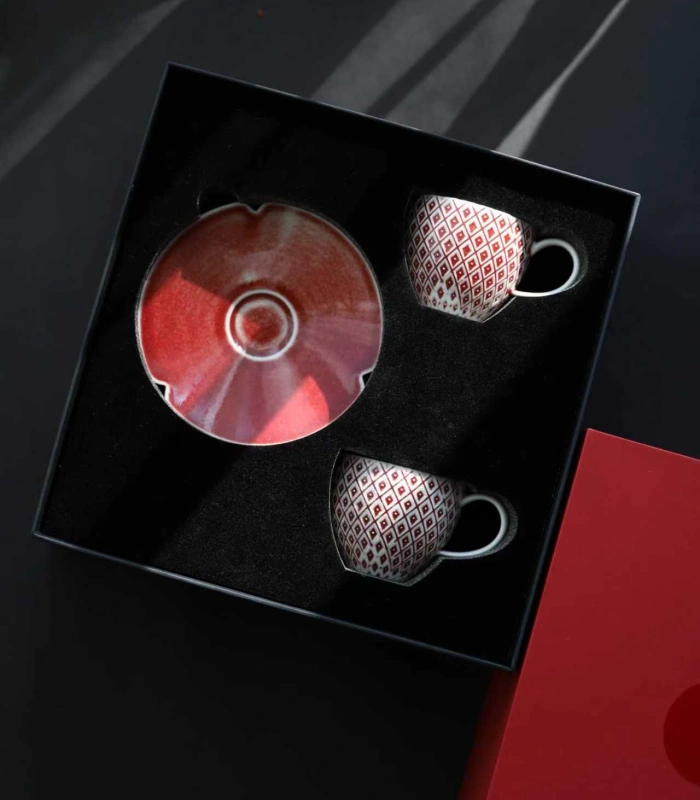
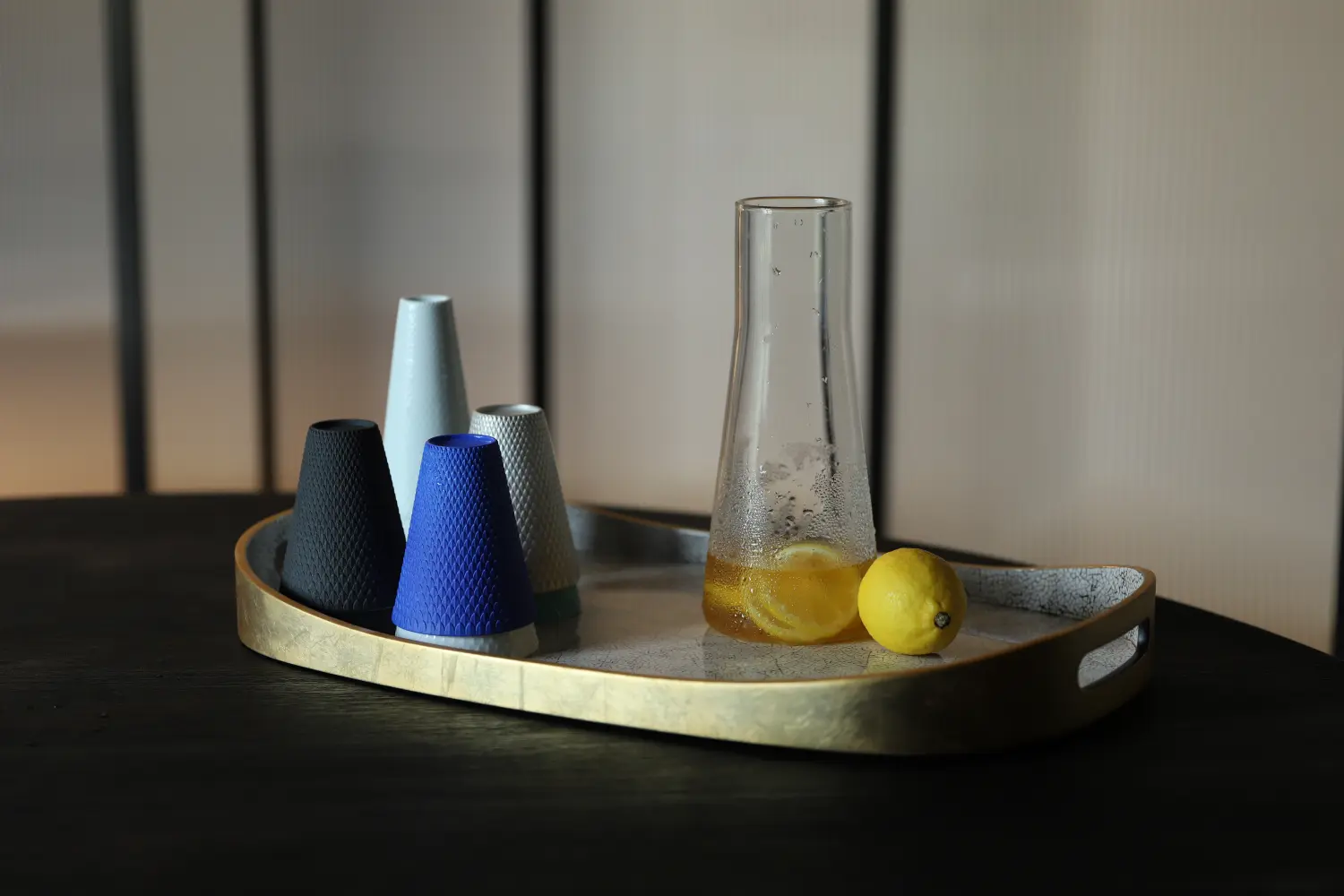
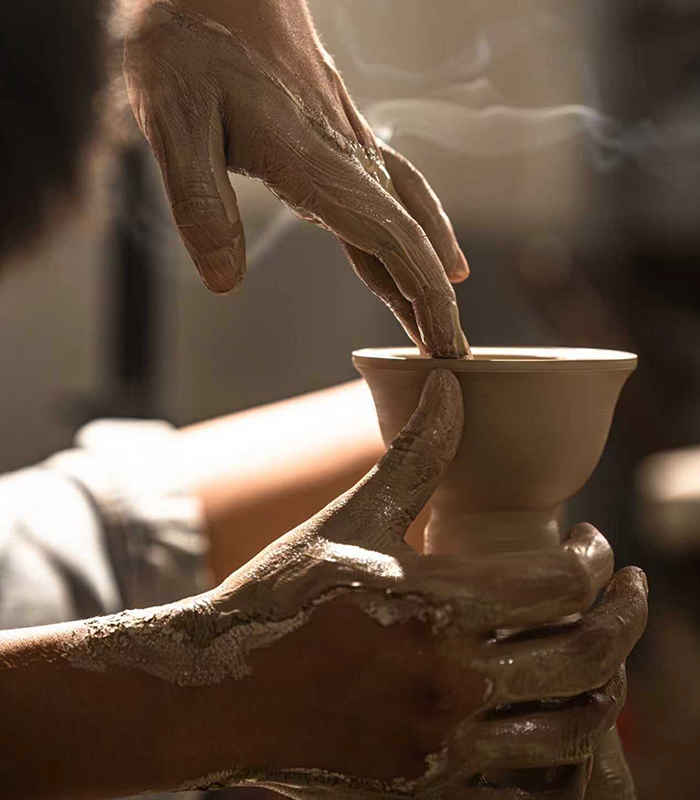
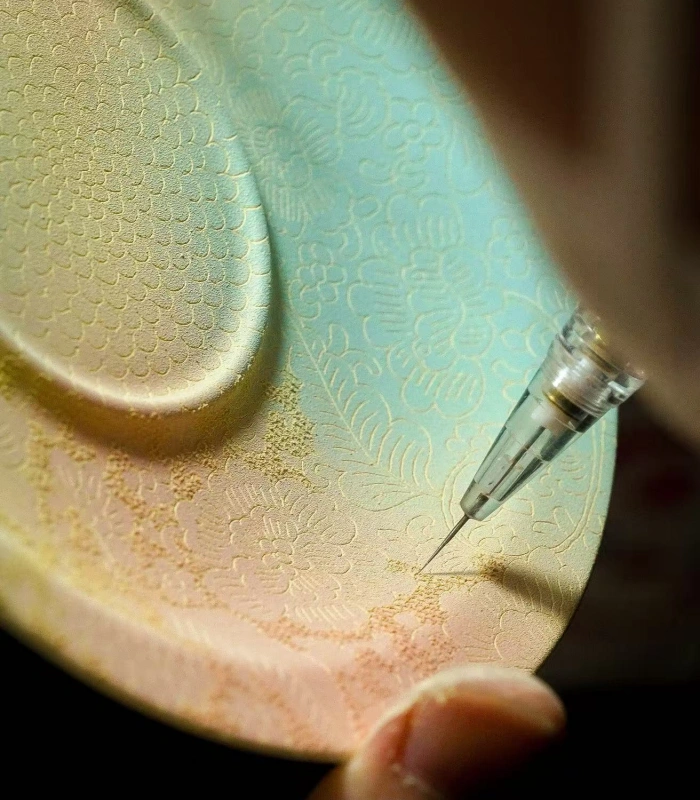
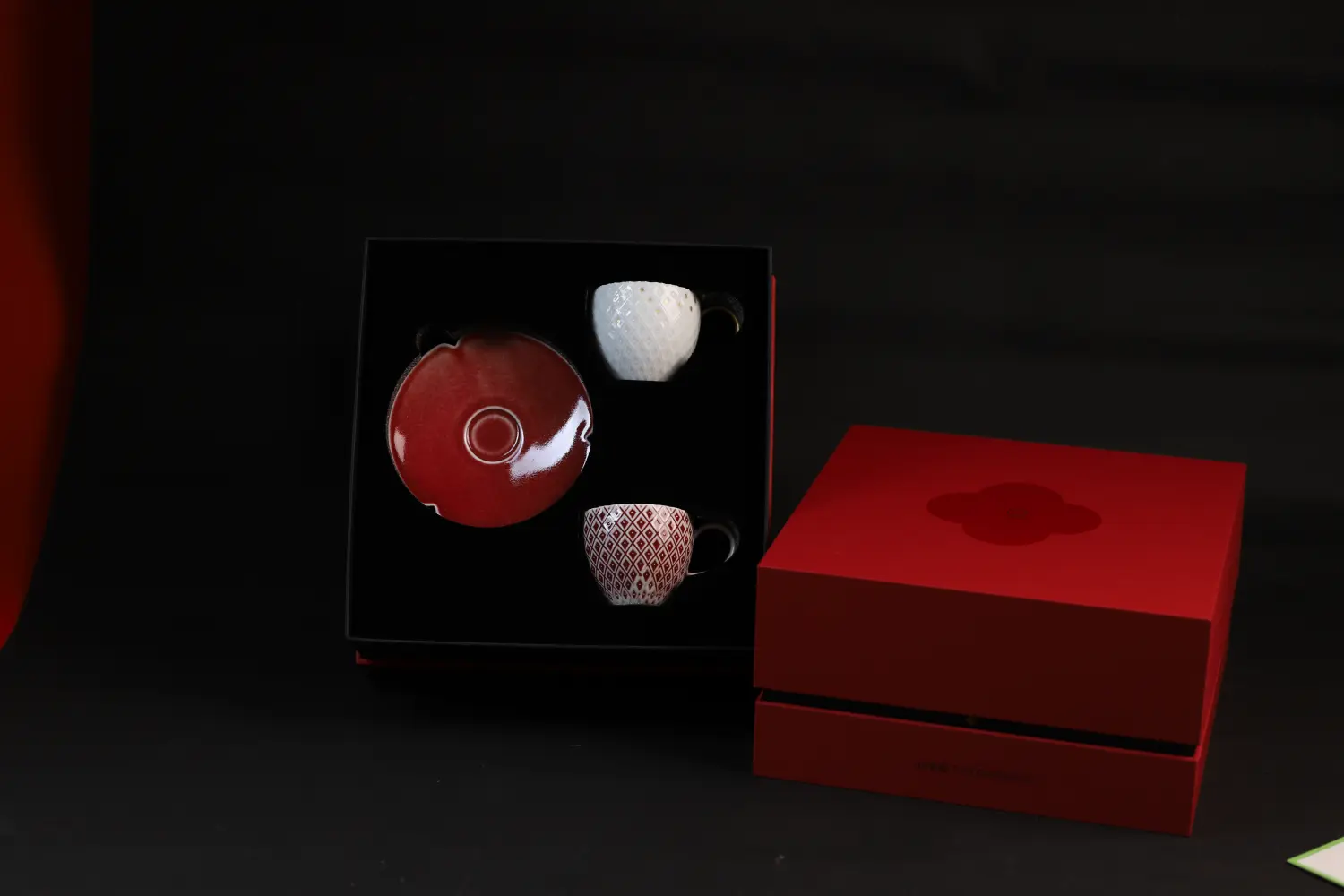
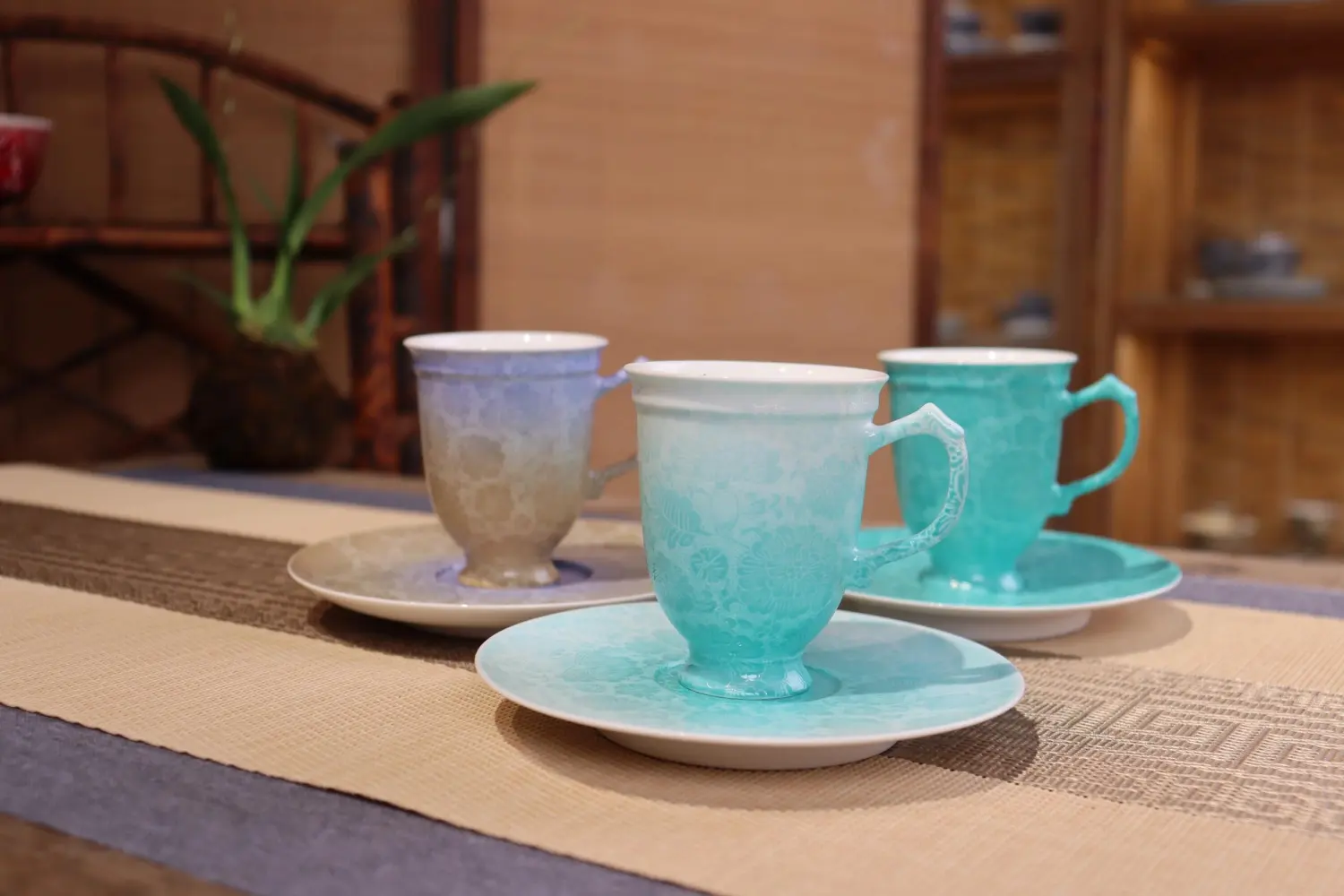
For a thousand years, one city in China has done almost nothing but make porcelain. If you've been searching for a Jingdezhen ceramic cup set, you've landed on the source — the town whose name became a byword for fine china across the world.
But not every cup sold under that name is equal. This guide through what actually separates a real, handmade Jingdezhen ceramic cup set from a mass-produced one, so you know what you're paying for before you buy.
Jingdezhen has been producing porcelain since the Han Dynasty, and it was exclusively used for imperial purposes for several hundred years.
So, when the first Europeans became captivated with what became known as "china", it was about the ceramic here. The story of this place is more than just selling, the story involves knowledge of the clay, of the glazes, of the art transmitted from one generation to another. These cups contain art from a practice that not one of the five-year-old manufacturers that began industrializing know about.
This is where most buyers tend to make a mistake. The genuine handmade set of Jingdezhen porcelain cups has subtle irregularities: the carved patterns on each cup fall slightly at different points, the glaze is unevenly accumulated, and the weight is solid. The mass-produced sets are "erroneous perfection" - identical, lightweight, and lifeless, because they are made by pouring and mold-casting, with machine glazing.
→The carving: Run a finger over the surface. Hand-carved relief has depth and slight variation; a printed or molded pattern feels flat and uniform.
→The weight: Real porcelain fired at high temperature has a reassuring density. Cheap cups feel hollow.
→The foot: Turn it over. The unglazed foot ring tells you about the clay and the firing — fine, white, and cleanly finished on a good piece.
Glaze: Jingdezhen is famous for its glazes — from celadon greens to copper reds to pearlescent whites. A good glaze isn't just a color; it changes with the light and feels smooth against your lip.
The firing: Look for pieces fired above 1300°C. That temperature vitrifies the porcelain, making it hard, non-porous, and built to last decades of daily use.
The set itself: A proper Jingdezhen ceramic cup set is matched but not identical — cups that clearly belong together while each keeps the small character of being made by hand. For entertaining, a set with saucers or a shared design language looks far more considered than mismatched singles.
If you want a cup, the supermarket has you covered for a few dollars. A Jingdezhen ceramic cup set is a different purchase — it's the difference between a disposable object and one you'll reach for every morning for years and eventually hand down.
For a coffee ritual, a tea ceremony, or a gift that carries real meaning, the craftsmanship justifies the price. You're not buying a mug; you're buying a thousand years of one city's expertise, made by hand.
At JINGEE, every piece is made this way — hand-carved and hand-glazed in Jingdezhen, fired past 1300°C, and one of a kind. Browse our full [Jingdezhen ceramic cup set] collection, from single espresso cups to matched tea cups and saucers, and find the one that becomes your daily ritual.
No account yet?
Create an Account